


How to Start with Herbalism Without Spending Money


A Practical, Accessible, and Deeply Transformative Guide
Herbalism is one of the oldest, most intuitive, and most human practices in existence. However, many people believe that to get started, they need to buy expensive books, specialized tools, advanced courses, or exotic plants.
The reality is quite different: you can begin your journey into herbalism without spending a single penny.
You simply need curiosity, keen observation skills, and a willingness to learn from the nature that already surrounds you.
In this guide, you will discover how to take your first steps in a simple, safe, and completely free way.
Observe the plants already growing around you
The first step in herbalism isn't buying—it's looking.
In your yard, on the sidewalk, in a nearby park, or even peeking through cracks in the pavement, medicinal plants are already growing—plants that have accompanied humanity for centuries. We often label them "weeds," but in reality, they are:
nutritious
medicinal
resilient
and completely free
Some of the most common varieties include:
dandelion
plantain
nettle
clover
mallow
purslane
Your first task as an herbalism apprentice is to recognize what is already right there, without needing to buy a thing.

2. Use free resources to learn plant identification
Before harvesting any plant, you need to learn how to identify it correctly.
And this can be done without spending any money.
Free resources you can use:
Free identification apps (basic versions)
Digital guides from universities and botanists
Educational videos from reliable channels
Public libraries (many botany books are available at no cost)
Local nature or hiking groups
The key is cross-referencing information: never rely on a single source.
3. Start with Easy and Safe Plants
You don't need to start with exotic or difficult-to-identify plants.
The best plants for beginners are those that:
are easy to identify
have no toxic look-alikes
grow in abundance
have simple uses
Perfect examples:
wild chamomile
plantain
mint (if naturalized in your area)
dandelion
rosemary (if found in your community)
These plants allow you to practice without risk and without needing to buy anything.

4. Harvest Ethically and Responsibly
Foraging isn't about taking everything you find.
It is a mindful practice.
Basic Rules:
Take only what you need.
Leave enough for the plant to regenerate.
Avoid contaminated areas.
Respect protected parks and reserves.
Do not uproot entire plants unless absolutely necessary.
Ethics cost nothing, yet they are worth more than any tool.
5. Use what you already have at home to prepare your remedies
You don't need special jars, fancy mortars, or professional tools.
You can use:
recycled glass jars
kitchen strainers
wooden spoons
ordinary pots
paper bags
twine or string for drying plants
Herbalism was born in humble homes.
You don't need anything sophisticated to get started.
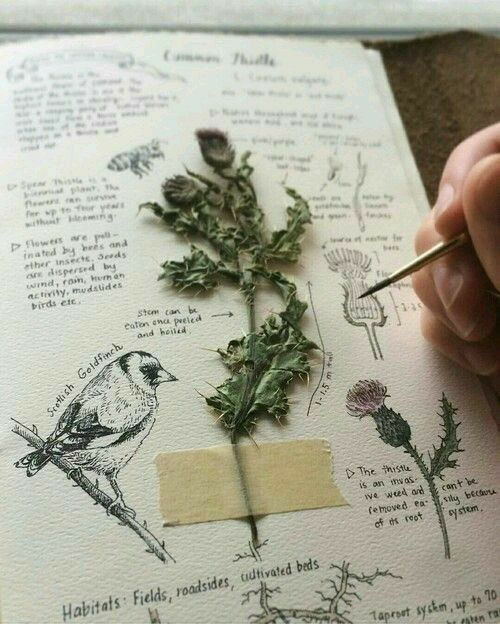
6. Create an Herbal Journal Without Buying Notebooks
You can use:
an old notebook
loose-leaf paper
digital notes on your phone
free online documents
The important thing is to record:
plants you find
their characteristics
their uses
dates
locations
preparations you try
Your journal will be your most valuable tool—and it costs nothing.
7. Learn from Nature, Not Just from Books
Herbalism is a living practice.
You can learn a tremendous amount simply by:
walking
observing
touching leaves
smelling flowers
watching how a plant changes with the seasons
Nature is your most generous teacher, and she charges no tuition.

Conclusion: Herbalism begins with you—not with your wallet.
You don't need money to start.
You need intention, respect, and a desire to learn.
Herbalism is an accessible, human, and deeply transformative path.
And you can take your first step today—without spending a single cent.

Do you want to continue learning about herbalism in a serious yet accessible way?
If this article has piqued your curiosity, I invite you to explore more educational content, courses, and training programs at our academy.
At Natural Life Tree Academy, you will find structured, practical training designed to guide you step-by-step on your journey through herbalism, natural wellness, and the holistic sciences.
Visit our website to discover courses, free resources, and upcoming programs:


Comments